How Hot Is Too Hot for Engine Oil? Limits vs Flash Point
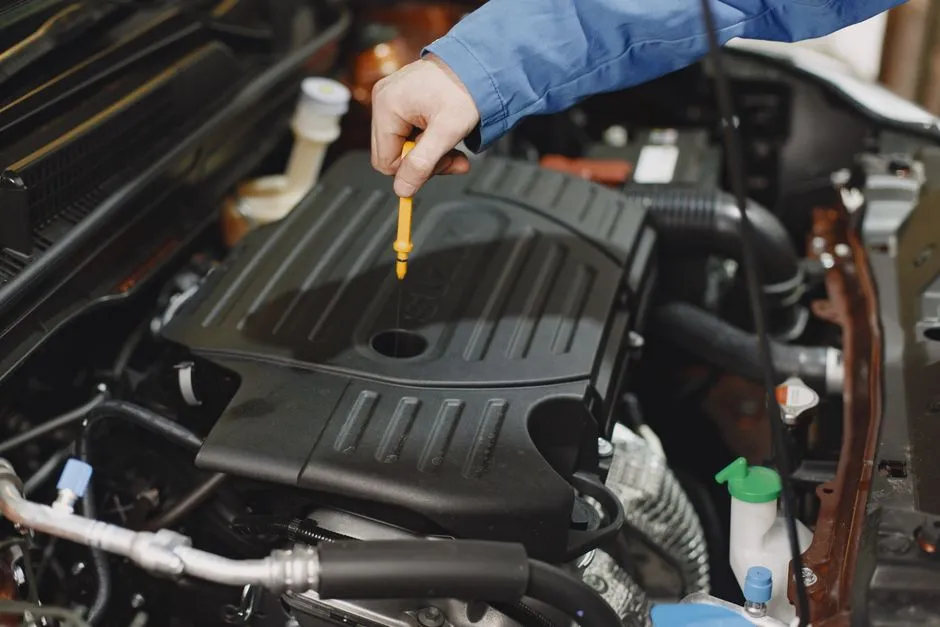
How hot is too hot for engine oil?
There is no single upper temperature that applies to every engine, oil and operating condition. Follow the vehicle's own oil-temperature warnings and instructions; a lubricant's laboratory flash point is not permission to run the engine that hot. Treat an oil-pressure warning separately and follow its stop instructions. Do not open hot components or perform heat tests. Arrange qualified assistance when a warning requires it.
This is a document-based explanation, not a tested operating limit for your car. For normal-running context, see the engine-oil temperature guide. Here the question is narrower: what do heat-damage terms actually mean, and which information belongs in a stop-or-service decision?
Does hot oil become thinner or thicker?
Both statements can describe different processes. Mobil explains that oil becomes thinner as its temperature rises. Separately, it describes oxidation and thickening as ways oil changes with use. Temperature-dependent viscosity and chemical deterioration are not interchangeable descriptions. An aged oil can have deteriorated even though its viscosity still varies with temperature. Mobil's motor-oil FAQ
That distinction matters when interpreting “breakdown.” Ask whether the source means temporary thinning, accumulated chemical change, or a deposit in a particular component. Those are different claims and require different evidence. A number without that explanation is not a useful maintenance threshold.
Keep oil selection separate from fault diagnosis. Mobil directs owners to the vehicle manual for the viscosity grade and specification. Choosing a thicker grade is not a substitute for finding why a warning appeared.
Are flash point, fire point and boiling point the same?
No. They describe different properties, not three names for an engine's maximum operating temperature.
| Term | What the cited reference describes | What it does not establish |
|---|---|---|
| Flash point | A tendency to form a flammable mixture with air under controlled laboratory conditions | A permitted dashboard oil temperature |
| Fire point | A tendency to support combustion | A vehicle-specific stop threshold |
| Boiling point | A boiling temperature stated at a specified pressure; the NIOSH table convention is one atmosphere | The meaning of a flash-point result |
The first two distinctions come from the public summary of ASTM D92. The third comes from the NIOSH Pocket Guide's property definitions. NIOSH also distinguishes a flash involving an external ignition source from boiling.
Do not substitute a flash-point entry when a boiling-point field is missing. Nor should you try to establish either property with a flame, a saucepan, a drained oil sample or a smell test. This article provides no procedure for heating or igniting lubricants.
What does a real engine-oil flash-point number tell you?
Mobil's SAP-region product page for Mobil 1 0W20 lists the following property. This is a record of that named product page, not a measurement made here.
| Record field | Published entry |
|---|---|
| Product | Mobil 1 0W20 |
| Property | Flash Point, Cleveland Open Cup |
| Unit | °C |
| Method | ASTM D92 |
| Result | 233 |
Keep the product identity, region and test method attached to the number. Do not transfer it to another formulation with a similar name. The page itself directs readers to the vehicle manual for the correct oil grade and specification. Mobil 1 0W20 product data
The 233°C entry is not a recommended oil temperature, a boiling point or a guaranteed no-damage boundary. ASTM explicitly cautions that its controlled test does not by itself appraise actual fire risk. Subtracting a dashboard reading from this figure would not create a valid “safety margin.”
The corresponding cold-weather distinction is covered in pour point versus engine-oil freezing: a named laboratory property must stay attached to its actual purpose.
What is oil coking?
Garrett describes overheated oil oxidizing and producing coke: a solid, carbon-based residue. Its technical discussion concerns turbocharger components, including deposits that can interfere with a seal ring's movement. That is a specific component mechanism, not evidence for one universal sump-temperature cutoff. Garrett's turbocharger cooling explanation
A dashboard number alone does not identify that deposit or establish its cause. Leave component inspection and repairs to a qualified technician. Do not infer that a cooled-down gauge proves the oil and engine escaped damage, or add a generic idling or flushing routine from this explanation.
Which warning should control the response?
Read the instructions for the exact model, year and engine. As a deliberately limited example, the 2022 Ram 2500/3500 manual separates these warnings:
- Oil temperature: stop and shut off the engine as soon as possible, then wait for normal temperature. Oil-temperature warning
- Oil pressure: stop and shut off, contact an authorized dealer, and do not operate until the cause is corrected. The warning does not indicate oil quantity. Oil-pressure warning
These are not universal restart instructions for other vehicles. Do not keep driving while comparing a warning with an internet temperature chart. Do not open a hot cooling-system cap, drain hot oil, crawl underneath or conduct a repeat road test to investigate. Use the vehicle's assistance instructions and a qualified repair service. Our owner-check versus service-boundary guide explains that distinction.
If you suspect a vehicle fire, follow the U.S. Fire Administration's guidance: pull over safely, switch off, get everyone out, and do not return or fight the fire. Do not open a hood or trunk where fire is suspected. Move everyone at least 100 feet from the vehicle and away from traffic; call 911 in the United States. USFA vehicle-fire guidance
What should you record for the repair service?
Once safely stopped, use this editorial record to preserve facts without diagnosing the fault:
- Vehicle identity: model year, engine and the manual edition consulted.
- Display evidence: exact warning wording, gauge label, displayed value and unit, if already observed.
- Context: ordinary driving, towing or another condition actually remembered; do not recreate it.
- Service information: the oil product and specification on an existing invoice, plus the service date.
- Unknowns: distinguish missing information from a confirmed absence.
For example, a fictional record might say: “Oil-temperature message observed; no numeric temperature recorded; invoice unavailable.” That is more accurate than assigning a guessed temperature or oil grade. It is a communication aid, not a fault score or clearance to drive.
The useful boundary is therefore not “below the flash point.” It is the exact vehicle instruction, interpreted without confusing pressure, temperature and laboratory properties.
Sources
Primary references linked above are Mobil's lubricant FAQ and named product data, ASTM's public D92 summary, NIOSH's property definitions, Garrett's component explanation, two identified Ram manual sections, and USFA's emergency guidance. Product properties and model-specific instructions should be checked against the exact documentation applicable to the vehicle.